Why Everyone Seems to Be Eating More Protein and How to Know What Your Body Needs
-
by Admin
-
October 03, 2026
-
283 comments
-
7 Minutes read
-
25 views
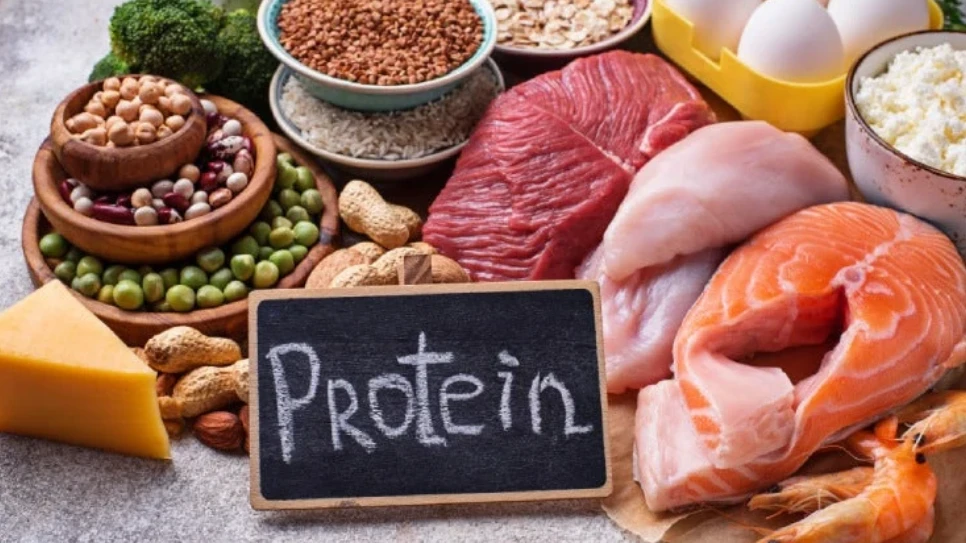
Protein is everywhere, but more is not always better. Discover how much your body actually needs and how to make balanced food choices.
All featured products are selected by our editors and may include affiliate links. If you purchase through these links, we may earn a commission.
Go to any supermarket today and even common snack foods seem to promise extra protein. Yoghurts, cereals, drinks and desserts increasingly carry messages about their nutritional content, while social media promotes aspirational daily intake goals. With so much focus on one nutrient, it can be confusing to know what your body actually needs.
Understanding why this trend has grown, how personal requirements differ, and what a balanced meal should contain can help you make food choices based on nutritional needs rather than marketing.
Why Protein Has Become Such a Prominent Wellness Trend
Food companies and wellness influencers increasingly link eating more to strength, physical appearance, and better health. Conveniently available, fortified products are worth increasing consumption of even by those who have never thought about their nutritional needs.
The magnitude of this interest is measurable. A study by Pew Research Center in October 2026 said 42 percent of nutrition-related posts from health and wellness influencers mentioned protein. The study reviewed content published during the February to April 2026 period.
But just because there is a lot of talk about it doesn’t mean everyone needs to eat bigger portions. A Johns Hopkins analysis in March 2026 warned that an increasing focus on one nutrient could distract attention from the need for a varied diet and insufficient intake of fibre.
Online recommendations tend to also normalise excessively high intake targets. In a Reddit discussion in October 2026, people questioned whether it was even important or practical to go for 180 grams a day. These conversations are a sign of genuine uncertainty, but personal targets posted online are not recommendations for all.
What Does Protein Do for Your Body Beyond Building Muscle
Muscle growth is a major focus, but this nutrient is involved in many vital processes. Dietary proteins are broken down into amino acids in your body, which are then used to build and repair tissue, make enzymes and support immune function. Some amino acids can be made inside you, but nine other essential amino acids have to come from food. Eating a variety of appropriate sources contributes to providing these building blocks throughout the day.
Protein also helps repair tissue after injury or exercise. It also aids the production of some hormones and helps to keep normal structures in the body, including the skin and muscles. These functions, however, do not automatically get better with every increase in consumption. Once you have met your nutritional needs, additional servings will not give you more muscle, more energy or more health.
How Protein Requirements Differ Across Individuals
Daily needs are different based on body size, age, activity levels, and health conditions. A person recovering from surgery might have different nutritional needs compared to someone with a sedentary routine, so it really depends.
Long-term reference intake of protein in healthy adults is generally 0.8 g/kg of body weight/day. But more recent US dietary guidelines do suggest higher amounts, showing that published targets can differ based on the guideline and the population.
How Age and Physical Activity Influence Protein Needs
Regular resistance training increases the need for amino acids for repair and adaptation of muscle. Athletes may need about 1.2 to 2.0 grams per kilogram per day, depending on the demands of their training, according to the NIH Office of Dietary Supplements.
Older adults may also benefit from individualised nutritional planning because muscle mass and strength tend to decline with age. However, requirements should consider appetite, physical function, existing conditions, and overall dietary intake.
People with kidney disease need particular care. According to the National Kidney Foundation, recommendations can differ substantially between individuals receiving dialysis and those who are not.
How to Estimate Your Daily Needs Without Guesswork
For someone asking how much protein do i need, a basic calculation provides a useful reference point. Multiply body weight in kilograms by 0.8 to estimate the longstanding daily reference amount for a generally healthy adult.
For instance, someone weighing 70 kilograms would need about 56 grams on an average daily basis. This figure is a reference, not a personalised prescription.
What Happens When Protein Crowds Out Other Important Nutrients
Focusing too much on just one nutrient can cause you to eat a smaller variety of foods each day. Large portions of meat, shakes or fortified snacks may be left in favour of vegetables, fruit, whole grains and other nutritious options. Fibre is a particular concern. The Johns Hopkins analysis noted that most Americans consume less dietary fibre than recommended. Beans, lentils, vegetables, and whole grains contribute nutrients that animal-based foods cannot provide in the same combination.
Carbohydrates still provide important energy, particularly when you’re active or exercising. Fats in the diet are also required for normal cell function and the absorption of some vitamins. Food quality matters alongside quantity. Fish, eggs, yoghurt, tofu, lentils, and nuts provide different combinations of nutrients, making variety more useful than repeatedly choosing one supposedly ideal food.
How to Plan Balanced Meals Around Your Actual Needs
Making food choices based on nutritional needs can make planning meals easier. Think of what a whole day’s eating pattern delivers and don’t buy products because they have great packaging claims.
High protein meals can also be made with familiar ingredients, no need for specialist products that cost a lot. Eggs with whole-wheat toast, lentils with vegetables or fish with rice and salad can help meet daily needs and supply other vital nutrients.
A simple check of the meal planning can help:
- Get a good food source first. Eggs, dairy, fish, poultry, tofu, beans or lentils, as desired.
- Add plant variety. Include vegetables, fruit, or whole grains to support fibre and micronutrient intake.
- Check the portion sizes. Match quantities to appetite activity and your individual nutrition needs.
- Review the whole day. See if meals offer variety instead of focusing too much on just one nutrient.
- Make convenience realistic. Select foods suitable to the time available, your cooking facilities and your household budget.
If you don't feel like a fancy lunch, try mashing up some canned chickpeas with a few veggies and a wholegrain wrap. This is a practical way to avoid using packaged products for every meal.
How to Recognise Misleading Protein Advice Online
Questions should come from claims that everyone needs the same amount every day. The right amount to take in can depend a lot on your weight, how much you exercise and your health situation.
Be cautious when creators promise dramatic physical changes from a single food or supplement. Muscle development also depends on training, adequate energy intake, recovery, and individual physiology.
Make sure recommendations are from qualified professionals with supporting research relevant to your situation. Sponsorship products should be scrutinised just like any other commercial claims.
FAQs
Do You Need Extra Protein Without Regular Exercise?
Most healthy adults need sufficient daily intake unless there is structured exercise in play. Nevertheless regular meals already fulfil the nutritional requirements and do not necessarily require additional supplementation.
Can You Get Enough Protein Without Supplements?
Yes. Many people will get their needs met by eggs, dairy, legumes, fish, meat and suitable plant foods. Supplements may be convenient in some situations, but they are not necessary for everyone.
Does Eating More Protein Automatically Build Muscle?
No. To grow muscle you need the right kind of physical stimulus, proper overall nutrition and rest. If you continue to eat more and more and don’t train accordingly you won’t grow more muscle.
A useful starting point is understanding personal requirements before changing familiar meals or purchasing fortified products. Nutritional variety and sustainable eating habits deserve as much attention as daily intake targets.
Follow HealthInfoLife for more health information and evidence nutrition guidance.
POPULAR BLOGS