Why Joint Pain During Perimenopause Is Often Mistaken for Ordinary Ageing
-
by Admin
-
September 30, 2026
-
174 comments
-
5 Minutes read
-
9 views
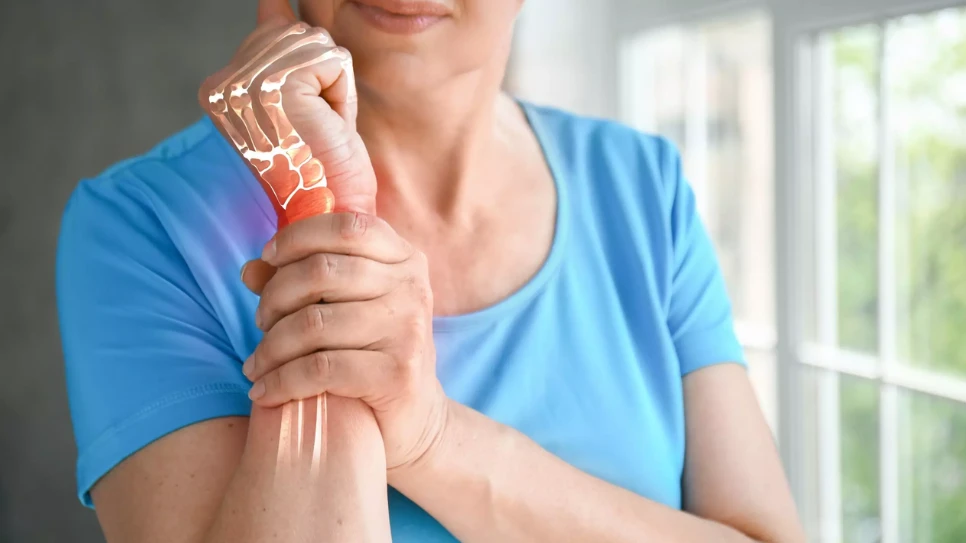
Unexpected joint pain during perimenopause can be confusing and easily mistaken for ageing. Learn what may cause discomfort and when to seek medical advice.
All featured products are selected by our editors and may include affiliate links. If you purchase through these links, we may earn a commission.
Aching knees, fingers that won’t close, a sudden twinge in the shoulders can turn the simplest of movements surprisingly difficult. These changes are often attributed to ageing, especially in the absence of obvious injury. However, altered hormone levels during perimenopause may have a part to play in joint pain.
It can help women to recognise the link and understand unfamiliar symptoms but not to miss other possible health conditions. This guide will cover the reasons for joint pain, warning signs to be mindful of, and how to note down symptoms before seeking medical advice.
How Hormonal Changes May Influence Joint Discomfort
As the body gradually approaches menopause, oestrogen levels fluctuate during perimenopause. Oestrogen has an influence on a range of tissues that are involved in musculoskeletal health, including muscles, bones and connective tissues. Hormonal shifts could play a role in discomfort, but scientists are still trying to figure out the precise biological mechanisms at work.
The NHS includes muscle aches and painful joints among recognised perimenopause symptoms. However, symptoms can overlap with arthritis, previous injuries, and other medical conditions. Timing alone cannot establish the cause.
Sleep disruption can make the experience harder. Night sweats and sleep disruption can impact your energy and ability to deal with discomfort. Therefore, when someone has several hormonal symptoms occurring simultaneously, they may find themselves increasingly bothered by aches that used to be tolerable.
Why Joint Pain Can Feel Different From Person to Person
Perimenopause joint pain doesn’t have a specific pattern. Some women have pain in many places; some have pain that comes and goes in one shoulder, hip or knee. Symptoms can change from day to day and can be difficult to describe when you are at an appointment. In a March 2026 Reddit thread, users reported intermittent joint pain that occurred in different areas. These personal reports show uncertainty about the changing symptoms but cannot determine the medical cause of them.
Why Morning Stiffness Can Become More Noticeable
Stiffness on waking can be especially frustrating when it takes extra effort to do everyday activities. Before movement becomes easier, getting out of bed, walking downstairs or gripping household objects can become uncomfortable.
However, prolonged morning stiffness can also be a sign of inflammatory arthritis. If you have joint swelling, warmth and ongoing difficulty moving, it’s better to have it evaluated rather than automatically blamed on hormonal changes.
Why Shoulder and Hip Pain Deserve Closer Attention
Shoulder and hip pain may interfere with sleeping positions, exercise and everyday movement. Women may also develop frozen shoulder, a condition that causes pain and limits shoulder mobility, which is more common around middle age.
Menopausal joint pain is a known issue, but shoulder pain can happen from tendon issues, arthritis and even other health problems. Important movement limitations need professional assessment, especially when normal activities are difficult.
How to Recognise Symptoms That May Have Other Causes
New pain as you go through a hormonal transition doesn't automatically mean it's perimenopause-related achy joints. Arthritis, repetitive strain, thyroid conditions and pre-existing injuries can also cause similar complaints. Certain symptoms deserve particular attention because they may indicate inflammation, infection, or another condition requiring treatment.
According to NHS joint pain guidance, medical advice is appropriate when pain persists, disrupts normal activities, or keeps returning. More urgent assessment is needed for:
- A suddenly painful, swollen joint
- Joint pain accompanied by fever or feeling generally unwell
- A joint that feels unusually hot or appears red
- Severe pain or difficulty bearing weight after an injury
A hot, swollen joint accompanied by fever requires urgent medical assessment because infection is a possible cause. Waiting for symptoms to resolve naturally may delay necessary treatment.
Which Practical Steps May Help Manage Everyday Discomfort
Gentle movement can help in maintaining flexibility and reducing stiffness if symptoms are mild. Regular walking, swimming and appropriate exercises for mobility can help with day-to-day functioning, although activities should be adjusted when they worsen pain.
Strength training may also help muscles around the joints. When you’re recovering from inactivity, it’s especially important to start slowly and choose comfortable movements. A physiotherapist can provide guidance on suitable adaptations for persistent restrictions.
Getting enough sleep, eating a good diet, and staying comfortably active can help keep your musculoskeletal system healthy. Cold packs can sometimes help ease discomfort after a minor strain and heat packs may temporarily relieve stiffness.
Hormone replacement therapy may help ease some menopausal symptoms but evidence for treating joint pain specifically is still limited. A 2026 scientific review indicates the need for further research. Personal symptoms, medical history, benefits and risks should be taken into account when making decisions about hormone therapy.
FAQs
Does Joint Pain Improve After Menopause?
Some women get better, while others continue to have symptoms after the menopause. The NHS recognises that joint symptoms can continue after the menopausal transition. Persistent pain needs to be investigated, as ageing, arthritis and other conditions can contribute.
Can Perimenopause Cause Sudden Joint Stiffness?
You can experience joint stiffness during hormonal transition, but you can't reliably attribute sudden symptoms to perimenopause. Severe swelling, warmth, fever or marked restriction of movement should be reviewed by a doctor to exclude other causes.
Can Joint Pain Occur Without Hot Flushes?
Yes. Hormones affect each person differently, and not everyone will have the same combination of symptoms. You might not have many hot flushes, but you might have joint pain as well as irregular periods, sleep problems or other changes.
Recognising patterns is the first step to understanding unfamiliar joint discomfort but remain open to other medical explanations. You may be able to catch treatable conditions early and protect everyday mobility.
Follow HealthInfoLife for more health information and evidence-informed guidance.
POPULAR BLOGS