How to Recognise Misleading Health Advice on Social Media Before Following It
-
by Admin
-
October 02, 2026
-
226 comments
-
7 Minutes read
-
9 views
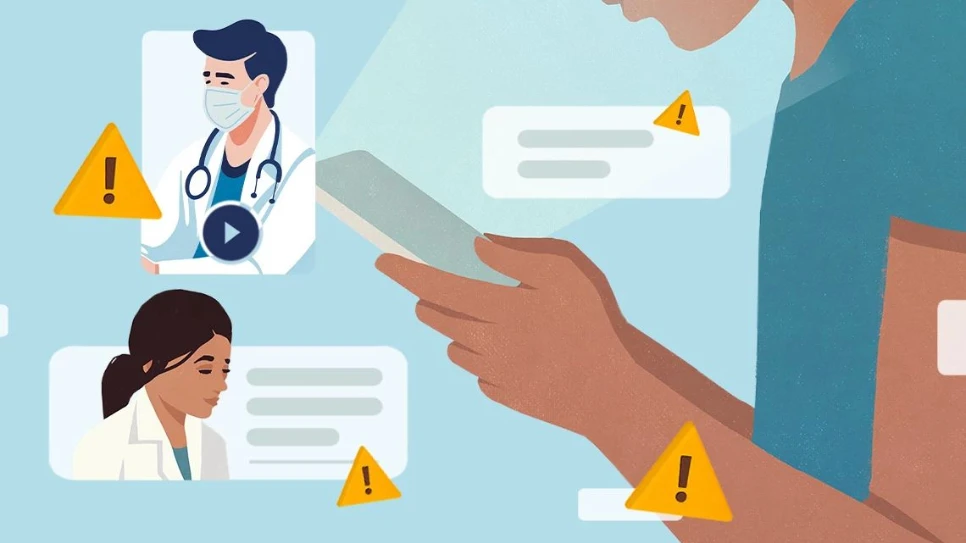
Health claims can spread quickly online, even when the evidence is weak. Learn how to recognise misleading information before allowing it to influence your health.
All featured products are selected by our editors and may include affiliate links. If you purchase through these links, we may earn a commission.
A good video can make a benign symptom seem serious, or an unproven therapy seem to be medicine that is accepted. The health guidance that appears amid the everyday posts makes it increasingly hard to tell what information to trust from what is being used to deceive.
Professional-looking content, personal experiences and confident explanations can help build trust before anyone checks the evidence. Understanding how online recommendations are presented, where misinformation begins, and which sources are worth paying attention to can help people make better-informed health decisions.
Why Health Information on Social Media Can Be Difficult to Trust
Social platforms simplify the search for medical information. People can learn about rare conditions, hear other people’s experiences and find explanations that make difficult topics feel approachable. The problem is that personal opinions can sound as credible as accepted medical evidence.
A 2026 Pew Research Center study analysed more than 535000 posts from health and wellness influencers. Researchers found that 38 percent contained promotional appeals, including sponsorships or recommendations involving products and services.
Commercial involvement doesn’t mean the information is wrong. But financial incentives are worth considering when someone recommends a treatment, supplement or wellness program. A good personal story could be created to promote buying, without mentioning relevant risks or caveats.
Social media also exposes people to information selected by recommendation algorithms when looking for health advice. Popular posts can keep popping up because they go viral, regardless of whether their medical explanations are reliable.
How Misleading Health Claims Can Influence Everyday Decisions
Usually, the misinformation is described well enough to sound credible. Someone can correctly describe a regular symptom, and then end up saying that anyone experiencing this symptom might have the same condition. General awareness without proper context leads to unnecessary panic.
For example, random tiredness can happen due to a number of things, such as lack of sleep, stress, medication side effects, and illnesses. A video that uses tiredness as the definitive sign of one particular disease ignores those possibilities.
Why Personal Experiences Cannot Prove a Treatment Works
People want to be understood, especially when symptoms have been difficult to articulate. But that a person gets better after taking a remedy is not proof that the remedy itself caused the improvement. Sometimes symptoms will change on their own, and many treatments or lifestyle changes may occur together. It is difficult to say which factor influenced the result without proper comparisons.
The National Institutes of Health explains that testimonials and personal opinions are different from objective scientific evidence. Individual experiences can raise worthwhile questions, but treatment recommendations need stronger support.
Why Mental Health Misinformation Can Be Particularly Harmful
Short videos can sometimes present common experiences, such as distraction, worry or difficulty concentrating, as symptoms of particular mental health conditions. Awareness-raising may result in appropriate support, but isolated symptoms are not enough for a diagnosis. The concerns around bad advice on social media around mental health include misleading symptom checklists, unsupported treatment suggestions and unnecessary self-diagnosis.
In a July 2026 Reddit discussion, individuals described encountering alarming illness stories while searching for support with health anxiety. These accounts illustrate how repeated exposure can become distressing, although they cannot establish how commonly this occurs.
The severity, duration, personal history, and effect on daily functioning of symptoms are considered in mental health assessments. You can’t count on online content to replace that one-on-one evaluation.
How to Recognise Warning Signs Before Trusting a Health Claim
Misleading content does not always contain obvious falsehoods. Some recommendations exaggerate preliminary research, leave out side effects, or present a treatment as suitable for everyone.
Some warning signs to look out for:
- Guaranteed results: One-size-fits-all claims of improvement do not take into account individual medical differences.
- Miracle cures. Products promoted as cures for a variety of different conditions need convincing evidence.
- Lacking qualifications: Someone discussing medical treatment should have relevant expertise that can be independently verified.
- Unclear research: References to unnamed studies prevent people from checking what researchers actually discovered.
- Pressure to act immediately: Limited offers and alarming warnings may encourage rushed health decisions.
Evidence should never be replaced by a professional appearance. Some of these accounts may be verified, have a great biography or a huge audience, but that does not mean everything they recommend is medically accurate.
Another is the problem of out-of-date information. Medical knowledge and practice can change over time, so when reviewing older posts, the publication dates and current clinical recommendations are important.
How to Verify Online Health Information Before Following It
A practical way to evaluate a suspicious recommendation is to focus on the exact claim rather than the creator's popularity. The following five-step method can be used whenever an online post encourages a change in personal health behaviour.
A Five Step Method for Checking Medical Claims
-
Identify the claim. Write down exactly what the recommendation promises and whether it is a benefit, diagnosis or treatment.
-
Check the creator's expertise. Look for relevant qualifications, professional registration, and potential commercial relationships.
-
Look up the supporting research. Check whether the studies cited exist. If they do, find out who was involved, what was measured, and whether the conclusions match the claim.
-
Compare trusted sources. Consult reputable health care organisations, which is supported by more extensive scientific evidence.
-
Think about personal situations. Advice may differ depending on the current circumstances, medications, pregnancy and past treatment experience.
Consider a video claiming that a particular supplement can eliminate anxiety within days. A clinical trial investigating temporary stress in a small group would not establish that the same product safely treats an anxiety disorder.
This is important because the science often does not go as far as the promotional summaries imply. When you check out the original study, you can see major disparities between the researchers’ observations and the creator’s claims.
The NIH guidance on assessing social media health info advises checking sources, seeking scientific backing and ensuring that accounts are truly from the organisations they say they are from.
How to Protect Yourself From Unnecessary Health Worries Online
Hearing medical horror stories over and over can make rare events seem more relevant to you. If you are already worried about symptoms, frightening content can just make you pay more attention to normal body sensations. Exposure management can help. People can use platform controls to mute accounts, reduce recommendations and choose reliable educational sources to limit content they find upsetting.
Health advice on social media is more useful when treated as a starting point for learning. Persistent symptoms deserve medical assessment, while prescribed medication should never be stopped or changed solely because of an online recommendation. MedlinePlus and the health services of your country can give you reliable and easy-to-understand explanations with a medical background.
FAQs
Can Medical Professionals Share Misleading Health Information?
Yes. Qualifications do not stop mistakes, old recommendations, or opinions outside of a person's specialist expertise. But important medical claims should still be compared with existing evidence and guidance from current clinical practice.
Does a Verified Social Media Account Mean Its Advice Is Reliable?
No. Verification can help verify the identity of an account, but it doesn’t establish the accuracy of medical claims. Professional credentials, research to back it up and independent recommendations are still important.
Should People Avoid Health Information on Social Media Completely?
No. Reliable professionals and medical organisations can share valuable educational material online. The important distinction is using that information to improve understanding rather than making personal treatment decisions without appropriate evidence or medical guidance.
Reliable health information should leave people better informed, with a clearer understanding of what is known and what still requires professional assessment. Questioning unsupported promises and checking original sources can prevent avoidable mistakes.
Follow HealthInfoLife for more practical health information and evidence-informed guidance.
POPULAR BLOGS